
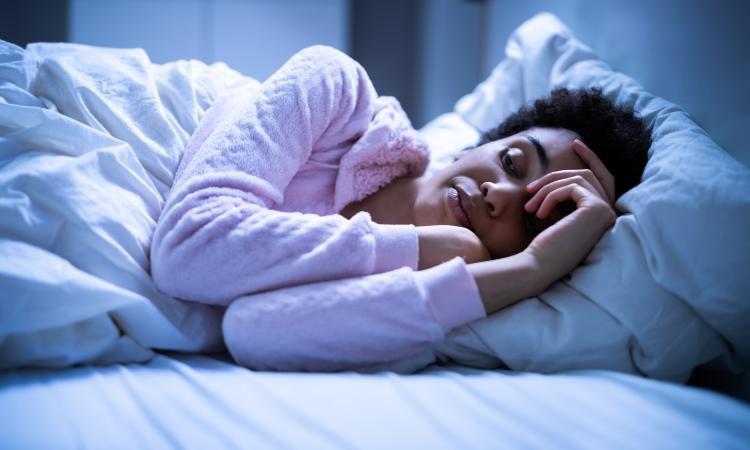
Sleep and mental health are closely related. Quality sleep supports balanced emotions, focus, and overall well-being. On the other hand, poor sleep can contribute to or worsen mental health conditions like anxiety and depression. This article explores the key factors that can affect sleep, common sleep challenges people face, and practical steps to restore healthy rest.
Why is sleep important?
Sleep plays a vital role in our mental health, influencing mood, focus, memory, and overall well-being. When we sleep well, our brains process emotions more effectively, our immune systems function better, and we’re able to think clearly and handle stress.
The relationship between sleep and mental health goes two ways: people experiencing conditions such as anxiety or depression are more likely to struggle with insomnia, while poor sleep can worsen the symptoms of these conditions.1
A variety of factors, including physical health, environment, mindset, and lifestyle, can disrupt the quality and quantity of rest. The next section takes a closer look at these.
HEAL - the four pillars of good sleep
The four pillars of good sleep can be remembered using the acronym HEAL.
- H = health: Have you ever struggled to fall asleep when dealing with hay fever or a cold? Physical health plays a major role in sleep: chronic pain, long-term illness, and certain medications can disrupt rest. Mental health (see section below) can also have a significant impact.
- E = environment: People’s access to the right kind of sleep environment can vary greatly due to a range of personal and social circumstances. Ideally, a cool, dark, and quiet bedroom supports quality sleep, but it’s not always possible to achieve these conditions if you don’t have stable housing or are sharing your space. Tools like a fan, an eye mask, or earplugs can help mimic these conditions. Limiting screen time before bed can also be beneficial, as blue light has been shown to disrupt melatonin production.
- A = attitude: Mindset and stress management play a role in sleep. Worrying in bed, especially before an important day, can make falling asleep harder. Relaxation techniques, mindfulness, or even briefly getting up for a caffeine-free warm drink can help reset your mind. If sleep problems persist for more than a month, cognitive behavioural therapy (CBT) may be recommended to help break the cycle of stress and poor sleep.
- L = lifestyle: Movement during the day, eating a balanced diet, moderating alcohol and caffeine, and keeping a regular sleep schedule can all increase sleep quality. Certain foods like rice, oats, and dairy products can promote sleepiness, while caffeine, sugar, and alcohol may interfere with both falling asleep and staying asleep. Regular exercise helps reduce stress and anxiety, but it’s best done earlier in the day since evening workouts can make it harder to wind down.
How mental health problems affect sleep

As mentioned earlier, sleep deprivation and mental health have a two-way relationship. Poor sleep can increase the risk of mental health problems, which can then further disrupt sleep. Some examples of how mental health issues can affect sleep quality include:
- anxiety: Poor sleep and anxiety are commonly connected. This is because racing thoughts and stress can make it harder to fall and stay asleep.
- depression: The sleep and depression link can cause insomnia (too little sleep) or hypersomnia (too much sleep), disrupting circadian rhythms.
- post-traumatic stress disorder (PTSD): Nightmares or night terrors can lead to repeated night wakings and anxiety about going to bed.
- bipolar disorder (mania): Periods of mania often reduce the ability to sleep or could cause people to skip sleep entirely.
Different types of sleep problems
Sleep problems affect up to one-third of the population, influencing how we feel, think, and function. Below are some of the most common sleep problems:
- insomnia is a condition in which you are regularly unable to fall or remain asleep for a long enough period of time. It can reduce concentration, energy, and mood. CBT-I is considered one of the most effective treatments for insomnia. Daytime exercise and mindfulness may also help. Speak to your GP if insomnia persists.
- sleepwalking occurs during deep sleep, meaning people often don’t remember doing it. While usually harmless, sleepwalking can be linked to stress, alcohol, or sleep deprivation. Maintaining good sleep hygiene through the HEAL framework may help.
- night terrors are different from nightmares. They also occur during deep sleep and are rarely remembered. They may cause intense fear, sweating, or screaming. In adults, they are sometimes linked to trauma. Therapy may help if night terrors interfere with daily life.
- snoring affects around 40% of adults in the UK. Sleeping on your side, reducing alcohol, exercising regularly, and addressing weight concerns can reduce snoring.
- sleep apnoea causes pauses in breathing lasting up to 30 seconds. Unlike snoring, it requires medical treatment to prevent oxygen loss. CPAP devices are a common therapy. See your GP if you suspect sleep apnoea.
How socioeconomic factors influence sleep
Socioeconomic factors and sleep are also connected. This is because sleep quality isn’t only affected by biology and mental health; it’s often also shaped by our life circumstances. Life circumstances can affect sleep in the following ways:
- stress and deprivation: Financial or social strain can reduce both sleep quality and duration.2
- parenting young children: Infant studies show that 20–30% of babies wake during the night in their first two years, which often impacts parents’ sleep.3
- chronic health conditions: Ongoing illnesses and mental health challenges can disrupt rest.
- refugees and asylum seekers: Many experience poor sleep due to unstable housing, stress, or PTSD.4
Importantly, many of these factors are outside a person’s control, making it vital to consider social context when supporting healthy sleep.
Try a sleep diary
Working out the reasons behind poor sleep can be difficult. Keeping a sleep diary can help people identify patterns and triggers.
For example, track the following for at least a week:
- bedtime, wake time, and total hours slept.
- how long it takes to fall asleep.
- number and length of night wakings.
- evening food and drink intake.
- bedroom light, temperature, and noise.
- pre-sleep activities (for example, screen use, reading, exercise).
- mood and energy levels the following day.
This personal record can reveal helpful insights and provide valuable information for healthcare professionals if you seek further support.
Further help and resources
Check out our other free resources and guides:
- How to manage and reduce stress
- Boost your mental health by moving more
- Diet and mental health
- Tips to look after your mental health during traumatic world events
Online sources of information and advice
- Sleepio: Digital CBT program for insomnia and sleep improvement.
- British Snoring & Sleep Apnoea Association: Support and resources for snoring and sleep apnoea.
- Be Mindful: Mindfulness courses that can reduce stress and aid sleep.
- British Sleep Society: Professional body supporting sleep research and care.
If you feel affected by the content you have read, please see our get help page for support.
How to sleep better - available to purchase
Printed copies of this publication are available in our online shop.
Order now


References
- Akram, U., Akram, A., Gardani, M., Ypsilanti, A., McCarty, K., Allen, S., & Lazuras, L. (2019). The relationship between depression and insomnia symptoms amongst a sample of UK university students. Sleep Medicine Research, 10(1), 49–53. https://doi.org/10.17241/smr.2019.00332
- Papadopoulos, D., & Sosso, F. A. (2023). Socioeconomic status and sleep health: A narrative synthesis of 3 decades of empirical research. Journal of Clinical Sleep Medicine, 19(3), 605–620. https://doi.org/10.5664/jcsm.10336
3. Tham, E., Schneider, N., & Broekman, B. (2017). Infant sleep and its relation with cognition and growth: A narrative review. Nature and Science of Sleep, Volume 9, 135–149. https://doi.org/10.2147/nss.s125992
4. Al-Khalil, Z., Attarian, H., Dunietz, G. L., Gavidia Romero, R., Knutson, K., & Johnson, D. A. (2024). Sleep health inequities in vulnerable populations: Beyond sleep deserts. Sleep Medicine: X, 7, 100110. https://doi.org/10.1016/j.sleepx.2024.100110