
Self-Injury Awareness Day, observed every year on March 1st, is a moment to tackle stigma, celebrate recovery, and share messages of strength and hope for those who may still be struggling with non-suicidal self-injury.
Location: United Kingdom
By Dr Nina Lutz, Research Manager
Self-injury is often a way of coping with strong and painful emotions, releasing overwhelming tension, or coping with the impact of traumatic experiences, such as intrusive memories and dissociation. People of all ages, genders, and backgrounds can experience these difficult feelings and engage in self-injury as a result.
However, self-injury is a topic surrounded by stigma and stereotypes. One of the most common stereotypes is that it mainly affects teenage girls. While this demographic group is at particularly high risk of self-injury,1 the focus on teenage girls has come at the expense of our awareness and understanding of other groups.
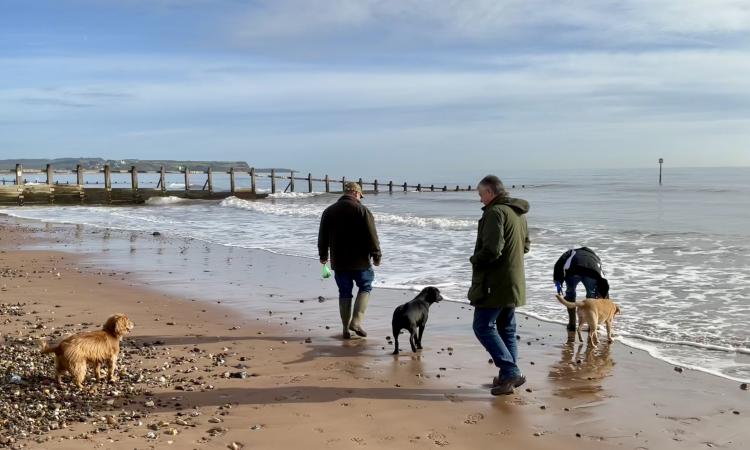
This year, our focus on Self-Injury Awareness Day is on the experiences of men.
Estimates from the NHS Adult Psychiatric Morbidity Survey suggest that 8.5% of men have experienced non-suicidal self-harm.2 The true prevalence is likely higher, as many people do not disclose self-harm due to stigma. Rates are highest among adolescents and young adults, with around 15% of men aged 16 to 34 reporting experience of self harm.2 However, it also remains relatively common in older age groups, including 6.2% of men aged 55 to 64.2
Research shows that men are half as likely as women to have contact with medical or mental health services after self-injuring.1 Clinicians may also be less likely to recognise self-injury among men due to gender stereotypes and biased assumptions.3 This means that the majority of men who self-injure are going without professional support. Some men who do seek support find that their options are limited due to their gender, as some specialist services only support women and mixed-gender groups are often majority female.
We recently spoke to 13 men about their lived experience of self-harm as part of an ongoing Mental Health Foundation research project. They spoke openly about their experiences of recovery and the challenges they faced along the way. This included the harmful impact of mental health stigma, masculine gender norms, and gender stereotypes about self-injury.
It also included stories of strength and hope, and the transformative power of peer support. Many talked about the importance of speaking with other people, particularly other men, with lived experience of self-harm. These conversations helped to break down shame and secrecy about self-injury, normalise mental health challenges, and build self-compassion. In several cases, supporting others going through similar experiences also became an important part of their personal recovery.
We need to be curious and not furious with people who self-harm. And above all, be kind. Everyone's got a story. Everyone's battling something.
I don't want somebody to find my self-harm. I don't want to be interrogated about it. It's part of just what I do, and what I've had to do. It's almost a survival mechanism for me and people should accept that. It doesn't make me a bad person. Just means that I'm different and struggling.
Self-harm is often a part of a mental health crisis and I wish society had more resources to help people in mental health crisis.
Help is available
If you or someone you know is affected by self-injury, the following organisations may be able to help:
- CALM (Campaign Against Living Miserably) has a helpline (5 pm to midnight) and webchat for anyone who’s having a tough time and needs to talk.
- Mankind has a helpline for male victims of domestic abuse.
- Men Matter Scotland provides counselling and support for men in Scotland.
- Andy's Man Club provides support to men across the UK.
- Humen - mental health support for men across the UK.
- SIFT - UK-wide self-harm support charity.
References
- McManus S, Gunnell D, Cooper C et al. Prevalence of non-suicidal self-harm and service contact in England, 2000-14: repeated cross-sectional surveys of the general population. Lancet Psychiatry. 2019;6(7):573-581. doi.org/10.1016/s2215-0366(19)30188-9
- Adult Psychiatric Morbidity Survey - Chapter 4: Suicidal thoughts, suicide attempts and non-suicidal self-harm. NHS England; November 27, 2025. Accessed February 26, 2026. https://digital.nhs.uk/data-and-information/publications/statistical/ad…;
- Curtis C, Terry M. The Effect of Gender on Identification and Interpretation of Non-Suicidal Self-Injury. Psychopathology. 2024;57(1):18-26. doi.org/10.1159/000531551