
Through our work in the community, we identified a number of different approaches, all proven to help people support their own mental health or the people around them. By using different combinations of these key ingredients depending on the context, we were able to take the lessons we’ve learned through our research and programmes work and create effective solutions that are proven to work.
By adopting these approaches, we hope that others will be able to do the same.


Providing information about mental health
An important step in developing good mental health is understanding it. Our evidence-based information and advice gives people an understanding of the kinds of things that can negatively impact our mental health and the things that we can do to prevent them.
Ways to feel more empowered and in control
When things feel out of control and unchangeable it can have a negative impact on our mental health. Through our work, we give people strategies to allow themselves or the people close to them to feel more in control and empowered.
Things like problem solving, goal setting and learning to manage difficult emotions can give people ways of protecting their mental health through life’s challenges. We also support people to make their voices heard in decision-making in their communities, like in our work with refugees and asylum seekers in Scotland. This helps make sure that their experiences are considered in the context of the many societal factors that can impact our mental health.


Increasing social contact
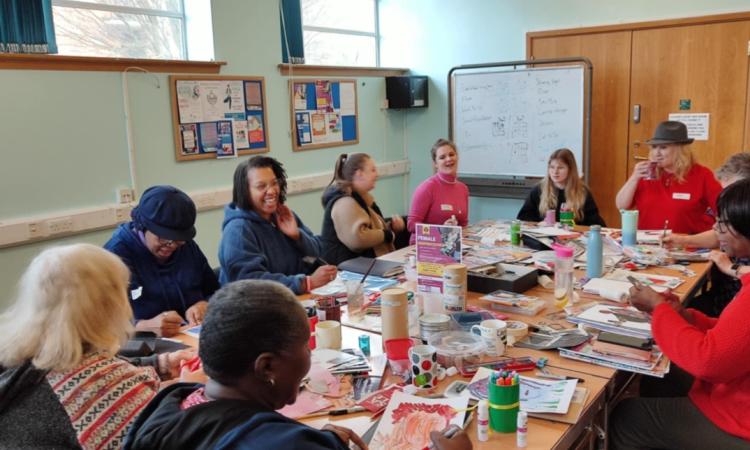
Feeling connected to the communities we live in can be really important for our mental health. A sense of connection with people with similar life experiences can make us feel less alone in our emotions. Peer support, group work or individual mentoring in a non-shaming supportive environment can help us build important connections which are a foundation for good mental health.
Mental health-boosting activities
There are some activities, such as spending time in nature, doing something creative or moving our bodies, which are proven to have a positive impact on our mental health. Combining these with some of the other approaches we use can be a great way of getting the best possible positive impact on mental health.

A systemic focus
Each of us exists within the context of the communities we live in and wider society, all of which can have an impact on our mental health, good or bad. By considering individuals, families or groups of people within that wider context we can start to address some of the factors which can lead to poor mental health. Whether influencing policy decisions or equipping front-line teams with the knowledge and confidence to better support the mental health of the people they work with, this kind of approach can have a far-reaching and long-lasting impact on preventing poor mental health in our communities.