
Establishing and supporting a diverse experiences advisory panel
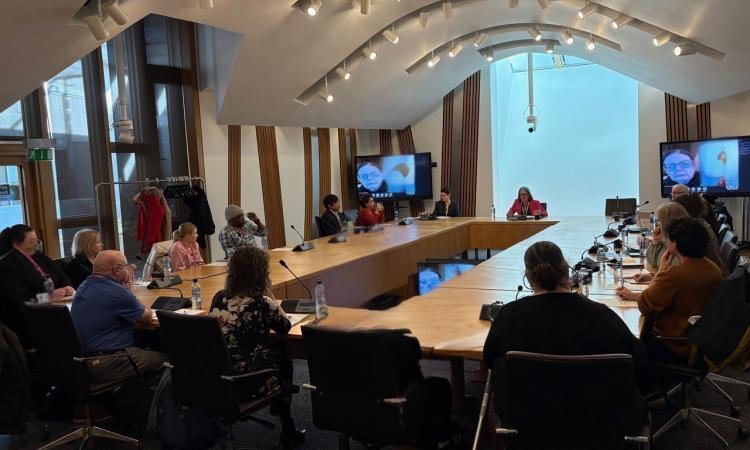
The Diverse Experiences Advisory Panel (DEAP) brings people with varied lived experiences and perspectives, and from different communities and backgrounds, together. Panel members draw on their personal experiences to inform government policy around mental health and wellbeing.
We have supported the panel for the last three years, in partnership with ALLIANCE Scotland.
Our new report, In at the DEAP End, sets out the lessons we have learned in establishing and supporting a diverse experience advisory panel over the last three years.
Clarity of purpose
Involving people with relevant life experiences in policy-making and decision-making leads to more responsive policies, services, and solutions that better address the needs of communities and individuals.
But deciding on the purpose of a group can be challenging due to differing views on what it aims to achieve. It’s important to balance the expectations of those with lived experience with those of funders or the host organisation. We recommend:
- being transparent about the group's purpose and objectives
- being clear about the group's scope and remit
- defining 'lived experience' and identifying which experiences will be most relevant to the purpose of the group.
Recruitment and membership
When considering diversity, it’s essential to acknowledge the various aspects of a person's identity, including race, gender, class, and the multiple identities they may hold, such as those of a parent, carer, refugee, etc.
Think about who you want to attract to your group and what their needs will be. Consider the application process. Will you use an informal process, inviting people in for a chat, or a more formal process with applications and interviews? Your goal should be to ensure that people feel comfortable and that the process is flexible and accessible to a wide range of individuals.
Recognition, remuneration, and reimbursement
The cost of participating in activities can be a significant barrier for some people, especially for those facing income inequality. Even when these costs are reimbursed, participants often must pay upfront and then claim reimbursement later and this can present a barrier.
Induction and training
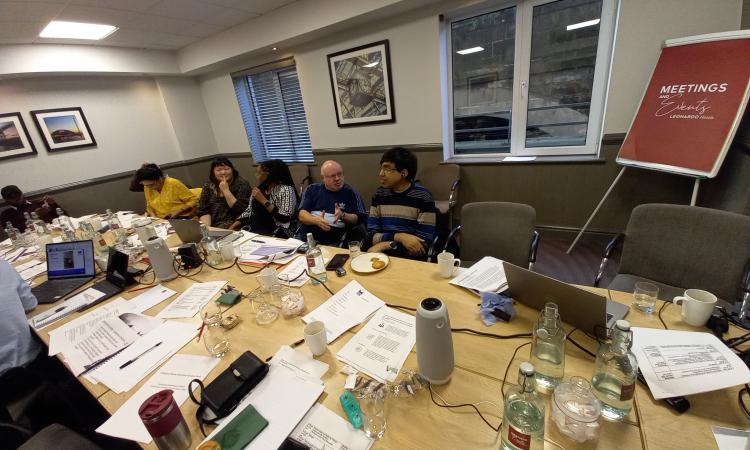
A thorough induction process is essential to help new members feel welcome and valued. But induction for a lived experience advisory panel may present several challenges for participants, including time constraints, geographical hurdles, information overload, balancing differing needs, and limited resources. It’s important to consider these within the design of the induction.
Support needs
We recognise the support needs of DEAP members as important to us, whether these relate to wellbeing, practical needs, language, and communication support, or addressing wider accessibility needs that hinder people's ability to participate fully.
Accessibility
Ensuring accessibility for everyone requires a constant commitment to actively exploring what works and introducing or updating practices. We have learnt that taking a proactive approach to identifying and supporting each group member's needs, alongside ensuring accessibility as standard, helps the whole group to engage.
Digital technology
Hybrid meetings, where some participants attend in person while others join online, have become a widespread practice. But using digital technology to host hybrid meetings involves significant challenges. It’s important to ensure an equitable experience for everyone so that remote members don’t feel excluded from fully participating in the process. We have invested in tech solutions to help overcome these issues and we employ various approaches to ensure everyone is included but there is no perfect solution that works every time.
Decision-making and agenda-setting
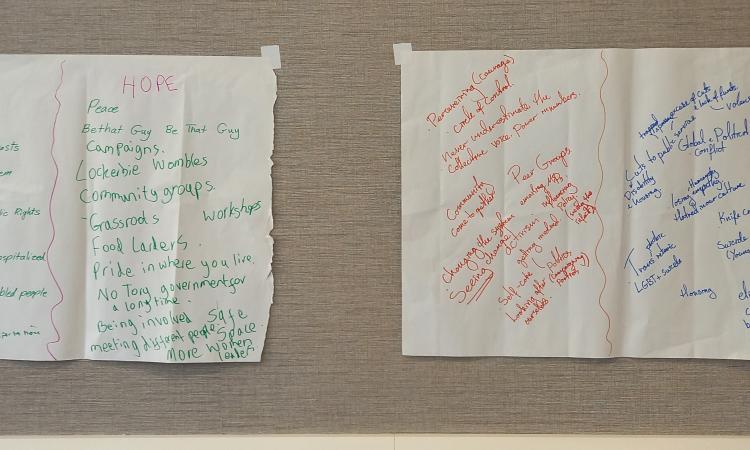
Equity in decision-making and agenda-setting is significant for DEAP members. Consider how the advisory group will be involved in decisions that affect its management, vision, and strategy. Adopting a mix of both collaborative and co-produced approaches encourages advisory group members, staff, and stakeholders to work together to reach a consensus.
Feedback
Evaluation is essential for advisory groups as it measures their impact and effectiveness. Feedback for individual group members who invest time and share firsthand experiences, is also essential. Regular feedback and visible impacts of their contributions helps people feel valued.
Watch: Diverse Experiences Advisory Panel webinar held on 15th January 2026.
This webinar brought together a group of people from diverse communities and backgrounds, each with their own lived experiences and perspectives on inequalities, to inform the Scottish Government on how it can better support mental health and well-being for people and communities across Scotland.
The webinar included voices of lived experience, panel members and staff as they talked about joining the panel, what it does, how it works and the lessons we have learnt not just about getting it right, but also learning from when things don't work too.